
Washington DC Metro, DC
Intraday Scheduling Software for Utilities Customer Service Offices in Washington DC
Intraday scheduling software helps operations teams make coverage decisions while demand is still moving.
For teams in utilities customer service offices working in Washington DC, this matters most when schedules start drifting in-hour.
Unlike shift planning tools, intraday scheduling focuses on what is happening now and what needs to change next.
No credit card required. Setup in under 30 minutes.
Live control scenario in Washington DC
Unexpected but practical: run one pressure-window drill every day.
Window: 10:30-12:00
What usually happens
- 10:30: Counter demand spiking around payment deadlines.
- 10:30+: Early signal appears: coverage can swing quickly when one specialist is pulled into urgent work.
- 12:00: Risk if unmanaged: manual reassignment delays cause uneven service across counters.
What to do in minutes
- Check counter staffing versus billing queue pressure every 15 minutes during this window.
- Apply this feature move first: Soon is built for intraday execution: see what changed, decide quickly, and keep service windows stable.
- Before 12:00, lock clear role ownership and rebalance coverage.
Scheduling challenges for Utilities Customer Service Offices
Schedules tend to look fine in the morning.
Then the day starts:
-
 Breaks suddenly overlap
-
 Work piles up unexpectedly
-
 Someone steps away
-
 Coverage quietly shifts
Soon helps utility office teams across Washington DC Metro keep counters covered during payment peaks, issue spikes, and staffing handoffs.
Imagine a morning in Washington DC Metro. In utility offices across Washington DC Metro, some periods are calm, then a burst of urgent requests hits at once. If breaks collide, service quality drops fast. Soon highlights coverage risk in real time so teams can react before queues build. When this moment is visible, teams can correct drift before service quality drops.
Soon understands utility service counters, because we work with teams handling high-stakes billing and service requests daily. In Washington DC Metro, demand often arrives in bursts, and those bursts rarely match the original schedule.
When counters thin out at the wrong time, queues and frustration rise fast. Soon makes intraday coverage pressure visible so teams can move resources early and maintain dependable service.
In Washington DC Metro, teams often see coverage can swing quickly when one specialist is pulled into urgent work. The common failure mode is that manual reassignment delays cause uneven service across counters. Soon keeps counter staffing versus billing queue pressure visible so teams can adjust before pressure compounds.
Olaf, Co-founder & CEO
Intraday Scheduling Software for teams in utilities customer service offices
When demand shifts quickly in Washington DC Metro, static plans hide coverage drift until service quality is already dropping.
Soon is built for intraday execution: see what changed, decide quickly, and keep service windows stable.
That means:
-
 Seeing who is actively working on what
-
 Adjusting work when the day changes
-
 Keeping coverage intact as people step away
No forecasting months ahead.
No complex workforce planning.
No credit card required. Setup in under 30 minutes.
Pricing that doesn’t change when things go well
A single, predictable price for intraday scheduling.
$99 per month
No contracts.
No hidden limits.
No awkward conversations later.
Why teams switch to Soon
Most teams start with better clarity and end with fewer service disruptions in daily operations. Example: in Washington DC, when teams handle counter demand spiking around payment deadlines, they use Soon to monitor counter staffing versus billing queue pressure and rebalance before queue-age rises.
- Lower queue buildup from earlier coverage decisions
- Reduced queue volatility during break overlap and peaks
- Clearer handoffs between frontline and back-office tasks
- Clearer service ownership across overlapping counter demand
Designed for counter teams that need clearer coverage ownership during burst demand periods. Teams report fewer late-day escalations when peak counter risk is handled earlier. Most teams need clearer live signals more than extra process.
Supporting Utilities Customer Service Offices across Washington DC Metro, DC
In Washington DC Metro, service operations usually involve dense service demand with frequent schedule interruptions from meetings and escalations. Teams repeatedly run into coverage can swing quickly when one specialist is pulled into urgent work. Day stability depends on regulated service windows leave little room for unmanaged overlap; walk-in volume and phone demand can spike in the same period.
Utilities customer service offices in Washington DC Metro operate in high-demand, resident-facing environments where front-desk continuity, phone responsiveness, and maintenance coordination all compete for attention.
Intraday Scheduling Software use cases for Utilities Customer Service Offices
Common scheduling scenarios teams in Washington DC Metro use Soon for:
- Responding to unexpected demand
- Managing unplanned absences
- Rebalancing work during the day
- Reassigning coverage after same-day staffing changes
Soon intraday scheduling software is a strong fit for teams in utilities customer service offices working in utility customer counters balancing billing inquiries, service issues, and payment traffic. Typical pressure shows up as counter handovers colliding with walk-in bursts and phone load. Soon helps utility service teams keep counters dependable through bursty demand windows. This is especially relevant when teams face unclear ownership during high-volume billing windows.
See pricing, get implementation support in the Help Center, or read operational guides on the blog.
Who uses Soon
Built for teams that run daily service windows and cannot afford coverage blind spots.
- Utilities customer service offices
- Property management organizations
- Resident services teams
- Maintenance and operations teams
Why utilities customer service offices teams outgrow Microsoft scheduling tools
Soon fits naturally alongside Microsoft Teams and Outlook, while adding live coverage control once the day starts moving.
It adds clarity where other tools stop.
One calm place to run the day
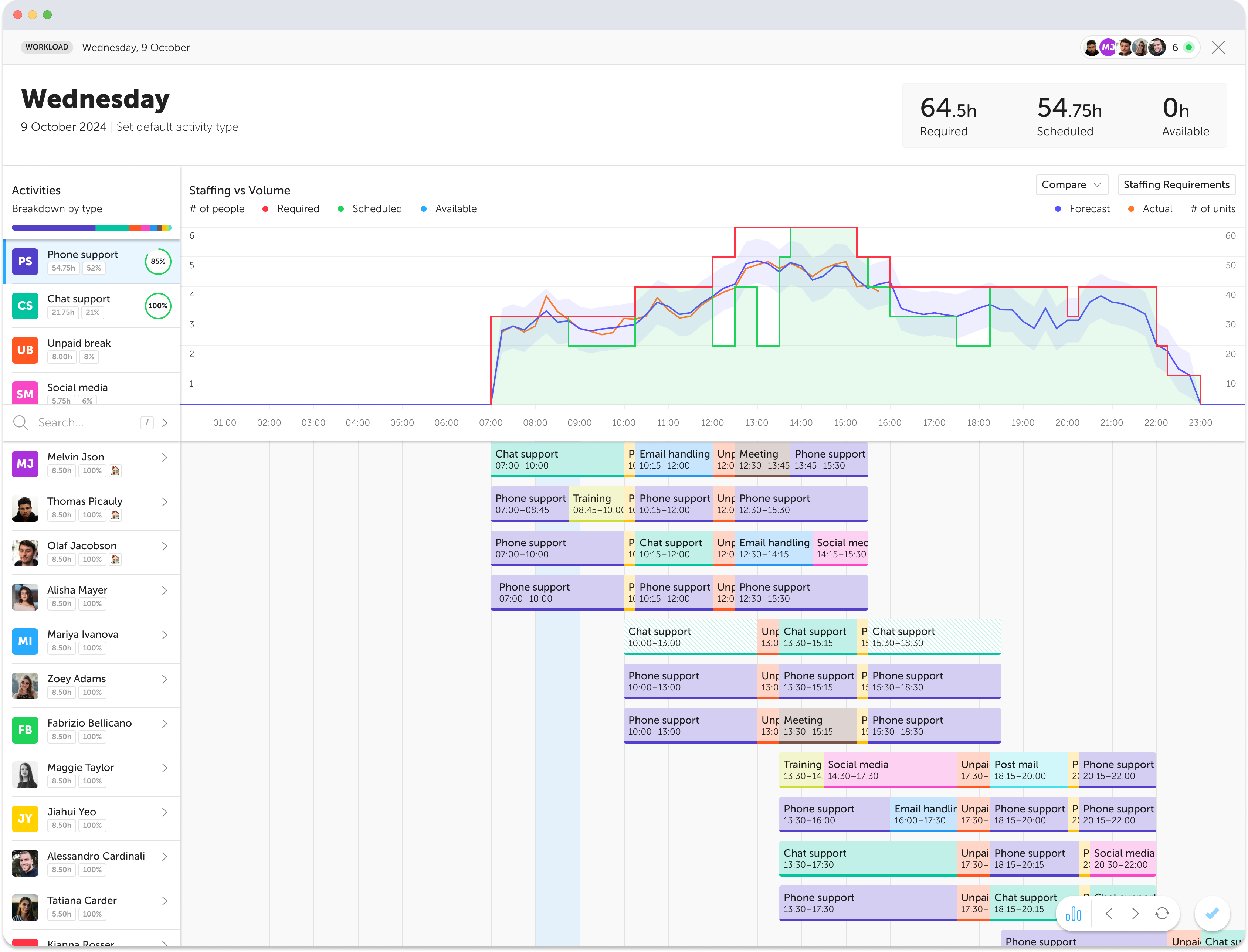
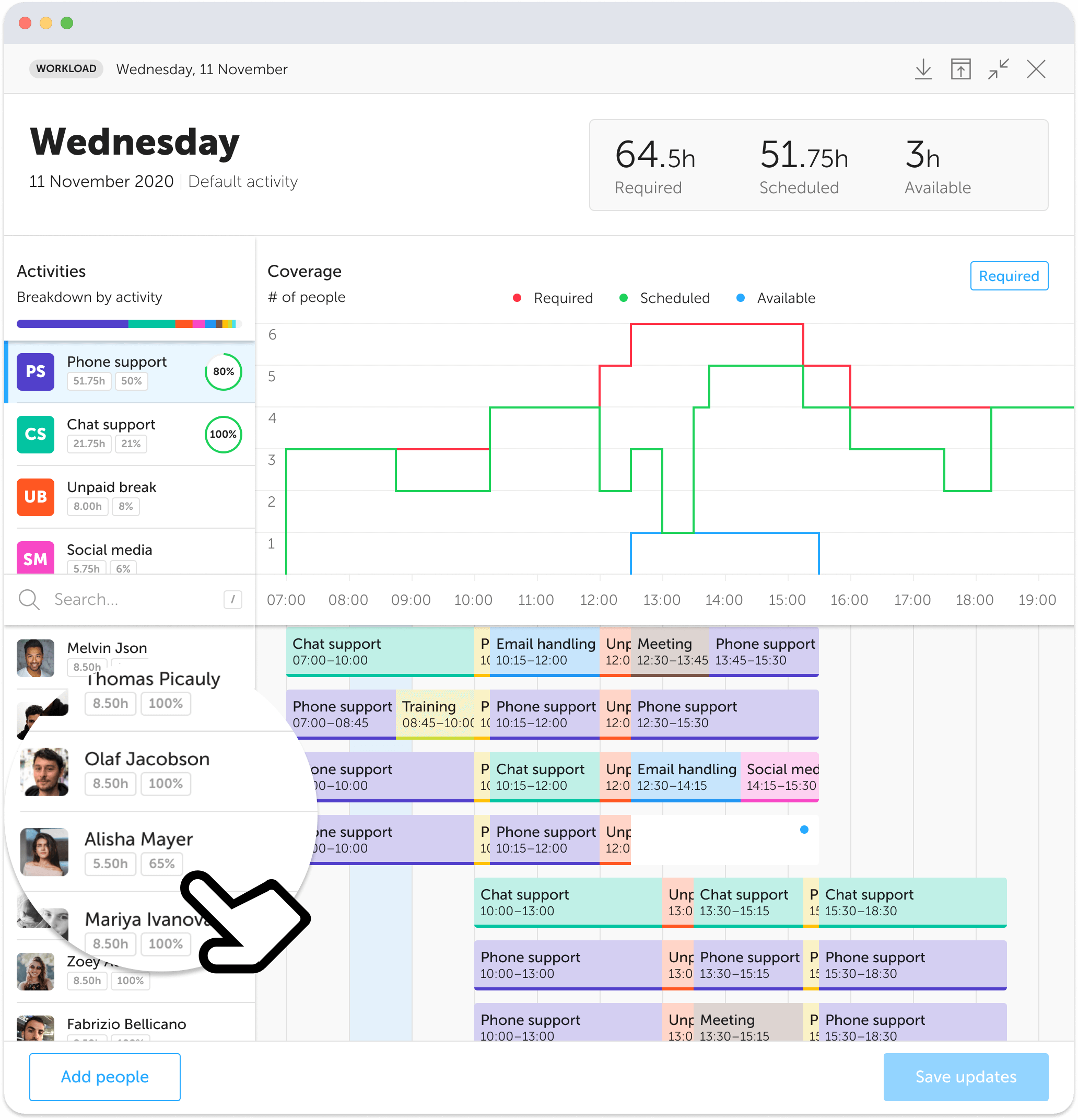
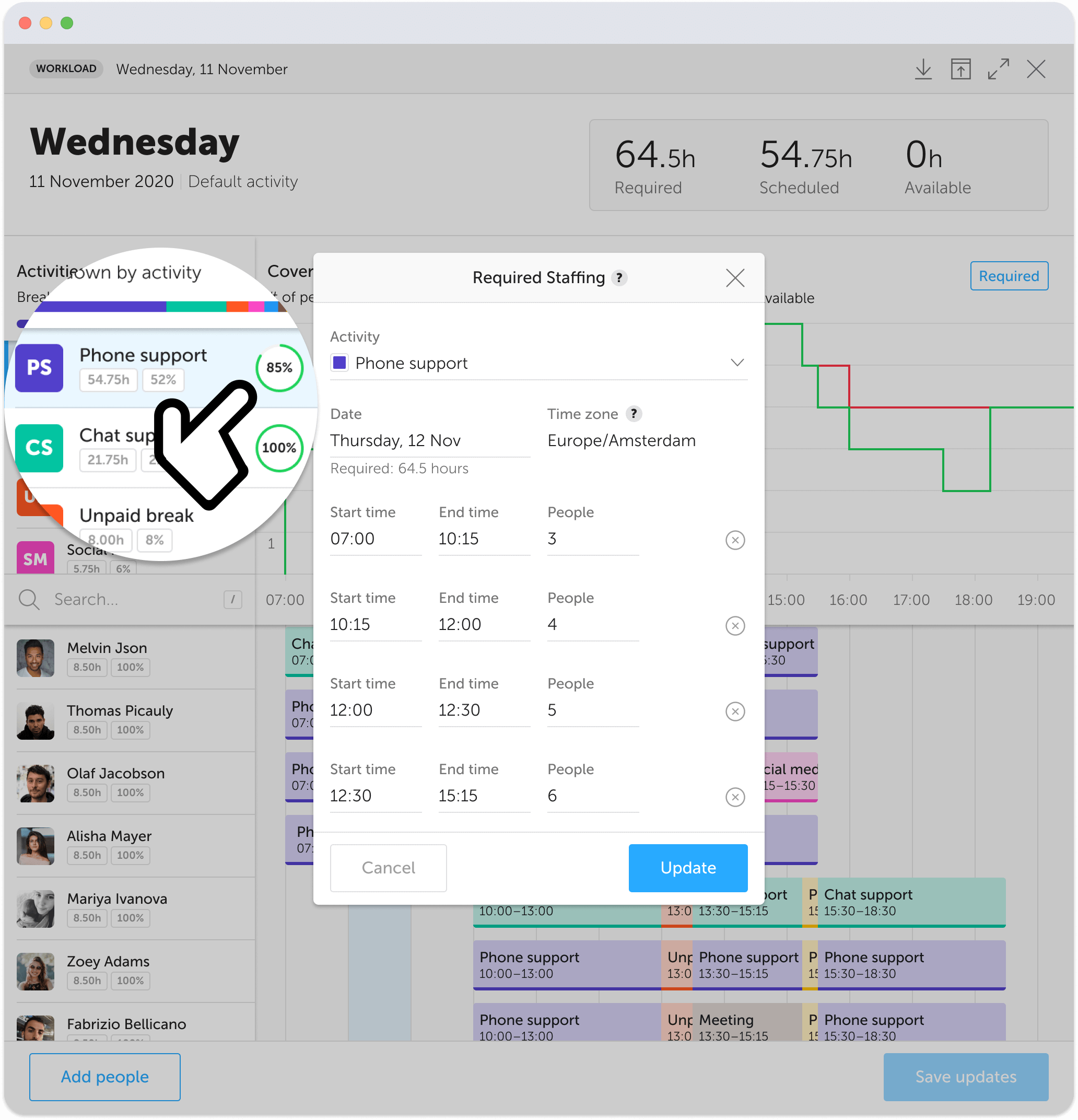
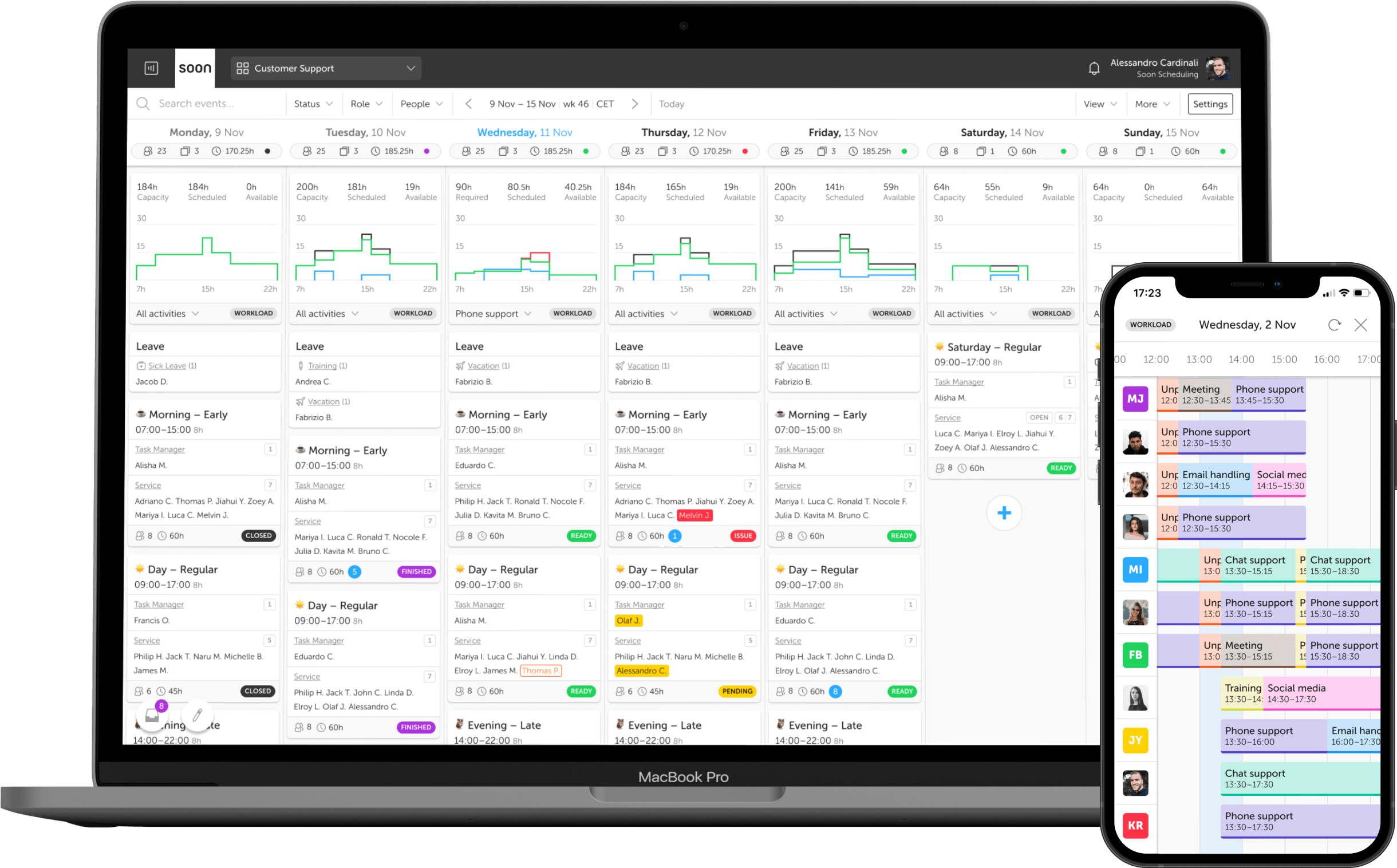
Soon gives teams one shared view of activities, capacity, coverage, and breaks.
- Keep work balanced
- Prevent coverage gaps
- Make fast adjustments without disruption
No spreadsheets. No side chats. No guesswork.
How intraday scheduling software adapts when the day shifts
When the day changes, teams should not need a full re-plan.
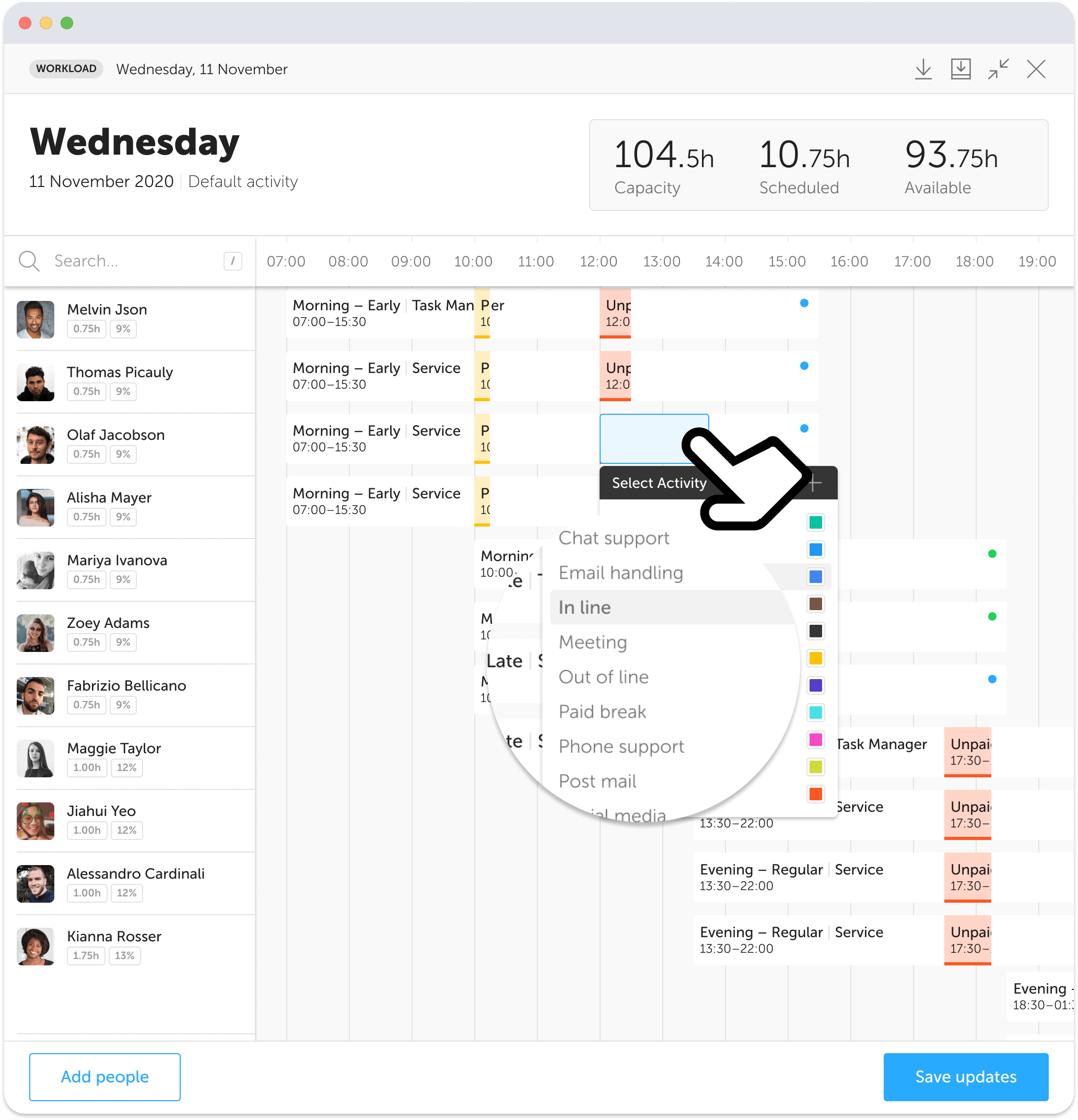
- Drag and drop work in seconds
- Reassign activities quickly
- Rebalance coverage without chaos
Updates are visible instantly to everyone involved.
Designed for daily collaboration
Soon works best when everyone sees the same live picture of the day.
- Shared responsibility across the team
- Self-scheduling support where appropriate
- Clear expectations and cleaner handoffs
Managers keep control while teams stay engaged.
Balance workload before frustration builds
Soon helps teams in Washington DC Metro spread work more evenly during live operations.
- Spot overload patterns quickly
- Redirect effort where pressure is rising
- Keep productivity realistic across the team
Fairer days, steadier output.
Stay steady through the busiest windows
Demand does not rise evenly. Soon makes pressure visible early so teams can absorb it smoothly.
- Watch pressure by time window
- Move coverage to high-demand periods
- Protect response times under load
Busy does not have to mean chaotic.
Why intraday scheduling software needs live intraday visibility
Default scheduling tools are useful for planning, but they are not built for intraday coverage control.
- Weekly setup and availability tracking
- Calendar-level visibility
- Basic coordination workflows
Soon adds live coverage and capacity awareness when the day starts to change.
Practical features, not feature noise
Soon focuses on features that help teams execute the day, not clutter the interface.
- Activity and break coordination
- Coverage-aware scheduling updates
- Calendar and reporting support
Simple enough for daily use, robust enough for real operations.
More about intraday scheduling software
Intraday Scheduling Software for real-time team coverage
Soon provides intraday scheduling software for utilities customer service offices teams in Washington DC Metro, DC.
Traditional scheduling sets a plan. Intraday scheduling keeps that plan healthy while the day unfolds.
Soon helps teams respond to real-time shifts in demand, staffing availability, and service pressure before those shifts become customer-facing problems.
For utilities customer service offices operating in Washington DC Metro, DC, this creates a more reliable day: better desk continuity, cleaner handoffs, and less last-minute scrambling.
It is a practical layer between basic calendars and enterprise workforce management - built for teams that need control now, not next quarter.
$99/month. That's it.
Try Soon with your team.
No credit card required. Setup in under 30 minutes.
Next step options