
Chicago Metro, IL
Shift Scheduling Software for Healthcare Clinics (non-hospital) in Chicago
Shift scheduling software keeps role coverage structured across planned service windows.
For teams in healthcare clinics (non-hospital) working in Chicago, this matters most when schedules start drifting in-hour.
Unlike day-of orchestration, shift scheduling sets baseline staffing structure across service windows.
No credit card required. Setup in under 30 minutes.
Chicago operations pulse (12:00-13:30)
Unexpected but practical: run one pressure-window drill every day.
Window: 12:00-13:30
What usually happens
- 12:00: Same-day schedule changes forcing admin reallocation every hour.
- 12:00+: Early signal appears: service quality drops quickly when break coverage is not rebalanced.
- 13:30: Risk if unmanaged: absence visibility is disconnected from live staffing decisions.
What to do in minutes
- Check capacity impact of absences and late changes every 15 minutes during this window.
- Apply this feature move first: Soon gives planners and frontline leads one live picture of shift health across the day.
- Before 13:30, lock clear role ownership and rebalance coverage.
Scheduling challenges for Healthcare Clinics (Non-Hospital)
Schedules tend to look fine in the morning.
Then the day starts:
-
 Breaks suddenly overlap
-
 Work piles up unexpectedly
-
 Someone steps away
-
 Coverage quietly shifts
Soon helps clinic admin teams keep check-in desks stable during no-shows, late arrivals, and same-day schedule changes.
Imagine a morning in Chicago Metro. A clinic day rarely runs exactly as planned. When coverage slips, delays and frustration show up quickly. Soon makes staffing gaps visible early so teams can reassign work, protect flow, and keep patient-facing service steady. This is where day stability is usually decided.
Soon understands clinic admin flow, because we support teams where front-desk reliability shapes the whole patient experience. In clinics, delays start quietly: a late arrival here, a scheduling call there, a break overlap at the wrong moment.
Those small misses compound into waiting-room pressure and staff stress. Soon helps teams detect coverage drift early and make quick intraday adjustments to keep check-in and service moving smoothly.
In Chicago Metro, teams often see service quality drops quickly when break coverage is not rebalanced. The common failure mode is that absence visibility is disconnected from live staffing decisions. Soon keeps capacity impact of absences and late changes visible so teams can adjust before pressure compounds.
Olaf, Co-founder & CEO
Pricing that doesn’t change when things go well
A single, predictable price for intraday scheduling.
$99 per month
No contracts.
No hidden limits.
No awkward conversations later.
Shift Scheduling Software for teams in healthcare clinics (non-hospital)
Even good shift plans can drift fast when breaks, handovers, and live demand collide.
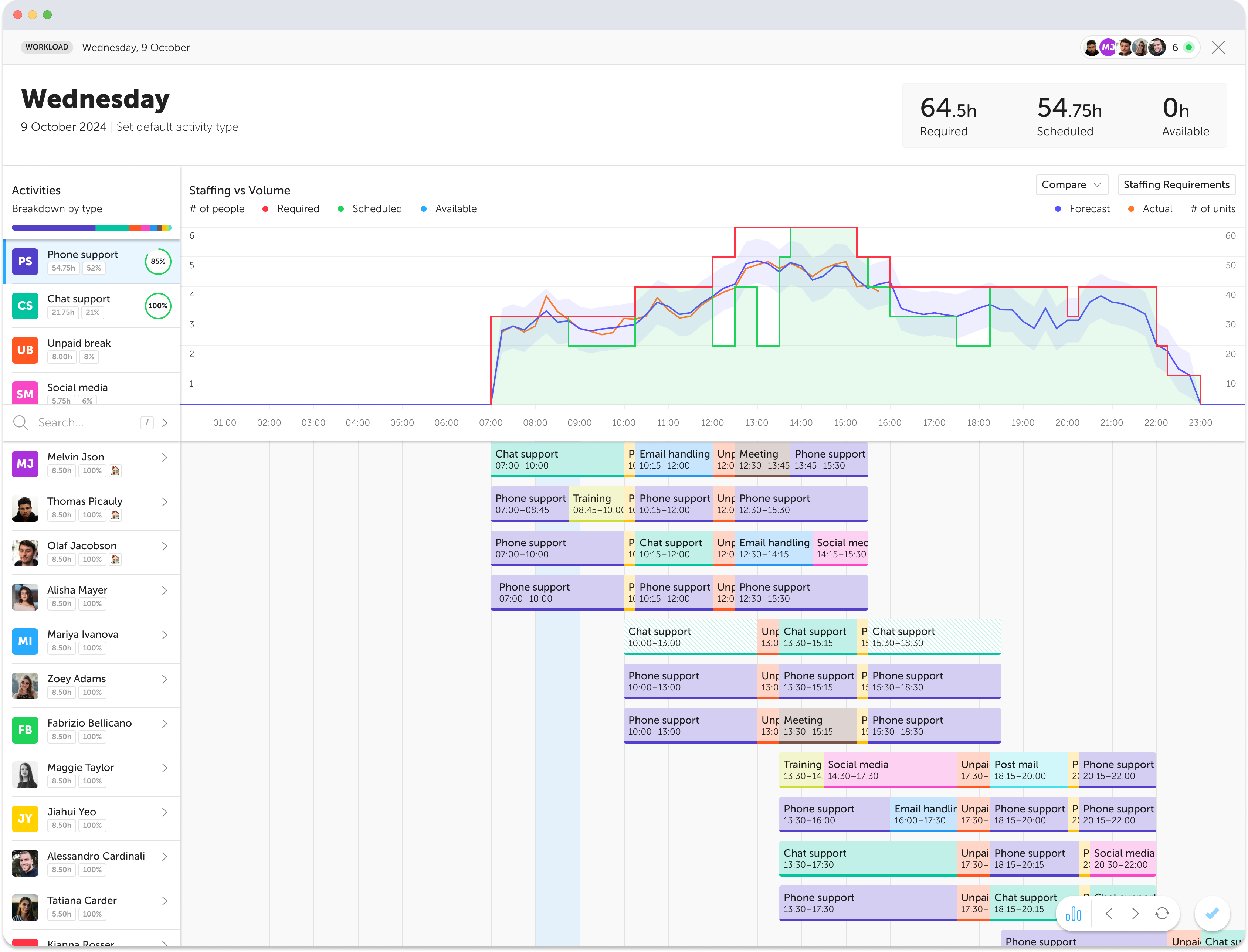
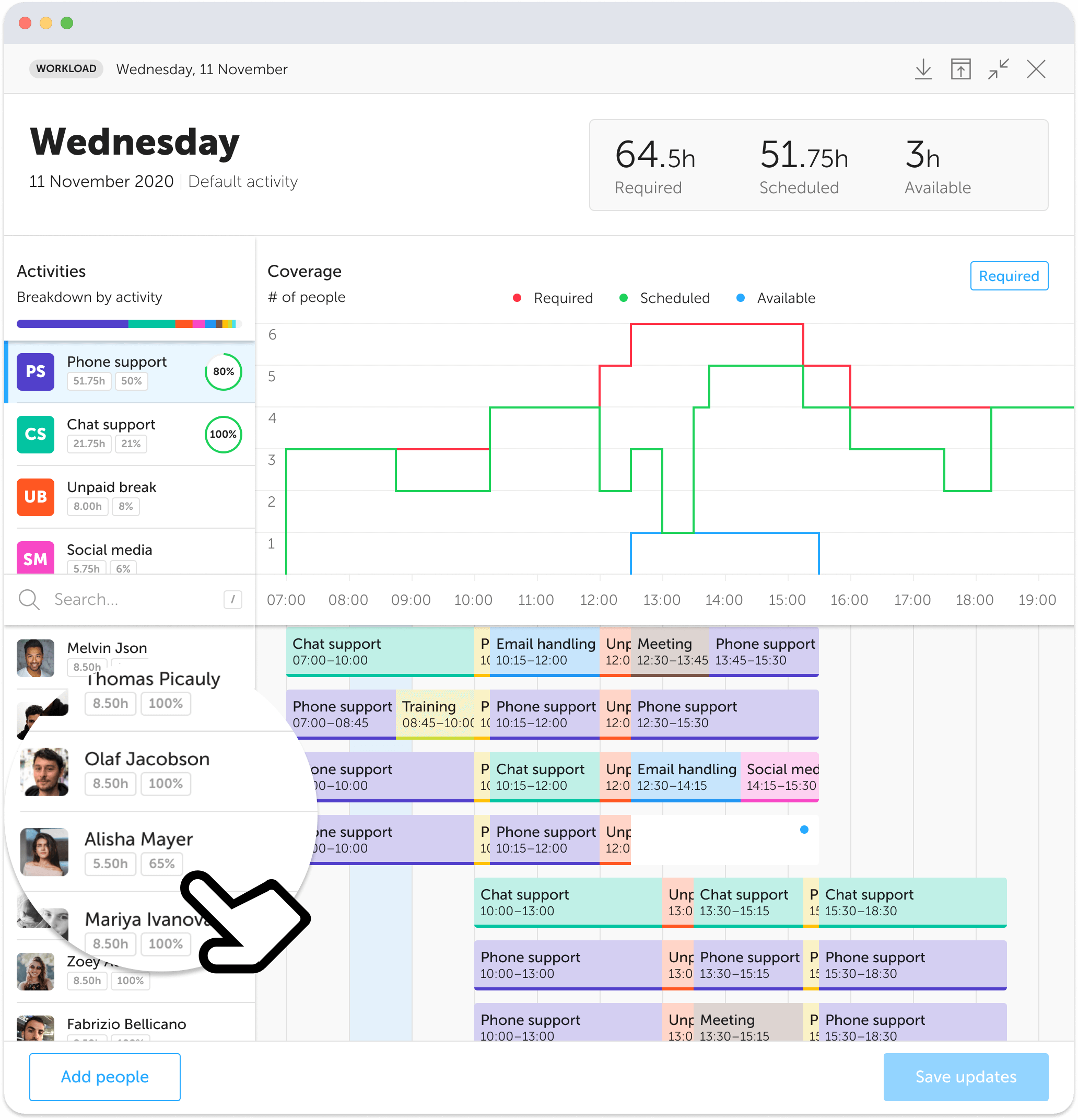
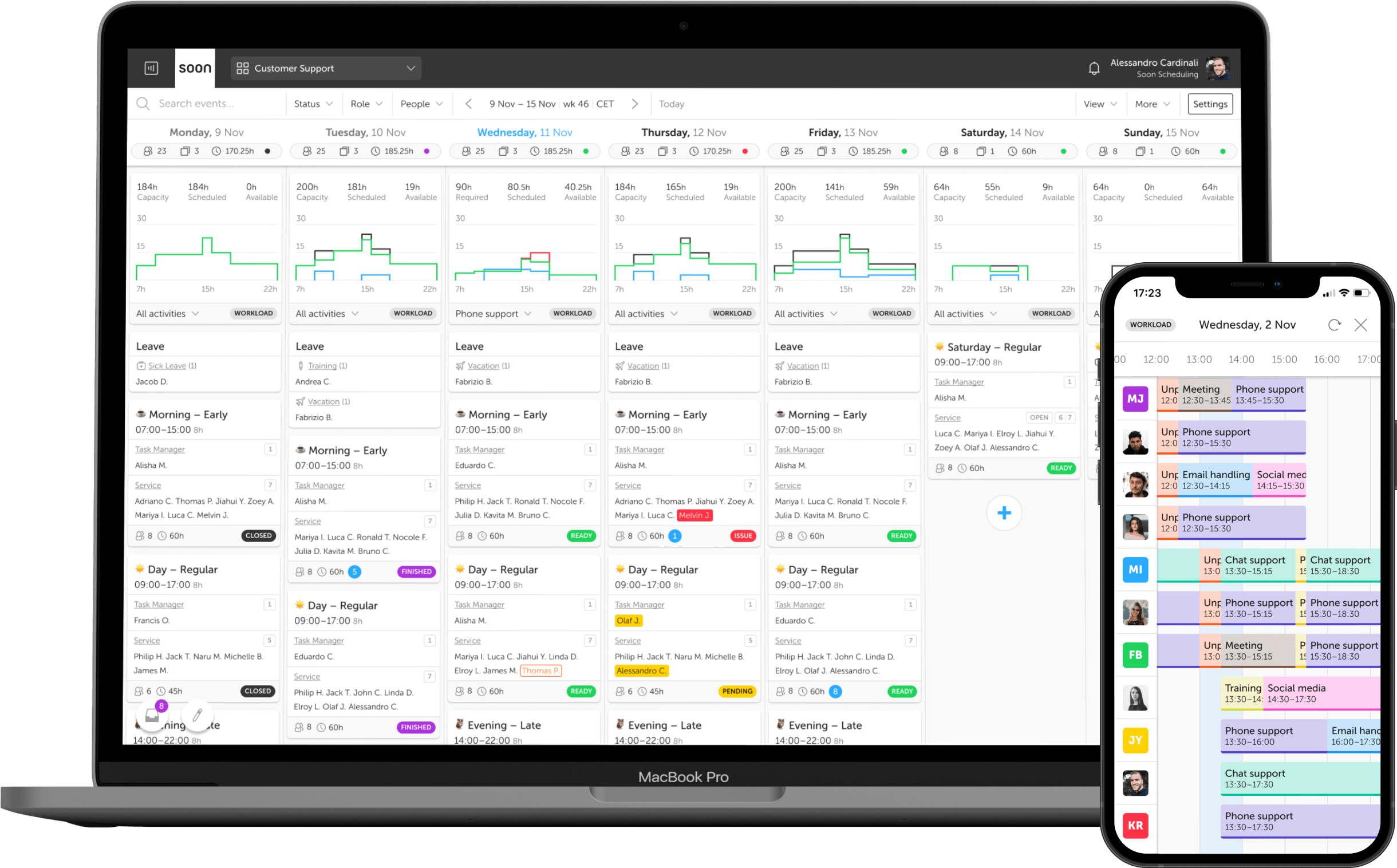
Soon gives planners and frontline leads one live picture of shift health across the day.
That means:
-
 Seeing who is actively working on what
-
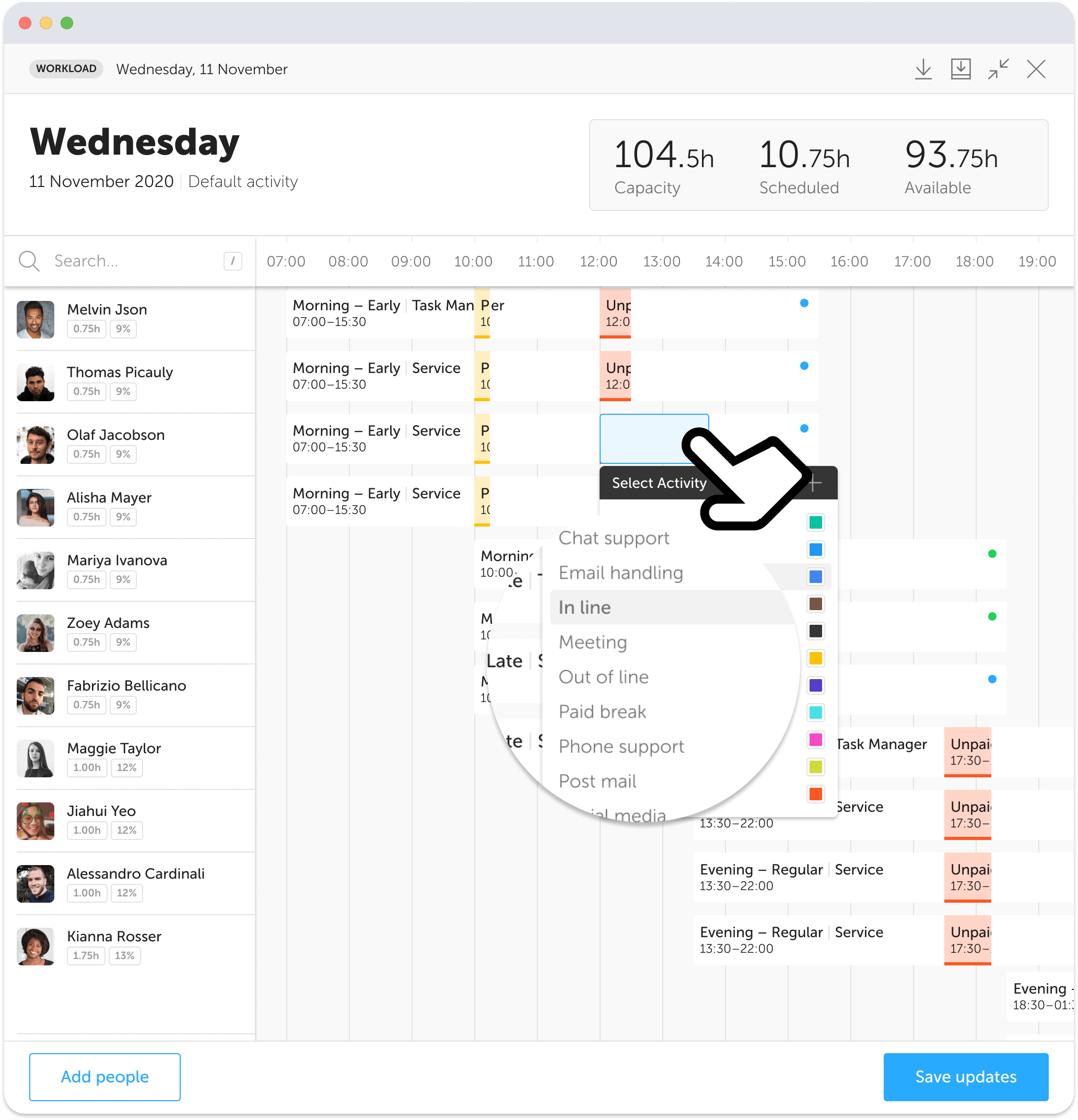
 Adjusting work when the day changes
-
 Keeping coverage intact as people step away
No forecasting months ahead.
No complex workforce planning.
No credit card required. Setup in under 30 minutes.
Why teams switch to Soon
Teams reduce last-minute scrambling by catching shift drift early. Example: in Chicago, a lead starts the shift window by monitor capacity impact of absences and late changes to catch uncovered roles before opening-hour pressure builds.
- Clearer handoffs between frontline and back-office tasks
- Better reception continuity during high-call periods
- More reliable check-in flow during appointment spillover
- Faster manager decisions with less side-channel messaging
Built for teams that need practical control during business hours, not heavyweight workforce planning complexity. Teams report fewer reactive changes in the first hours when shift ownership is explicit. Consistency improves when everyone works from one live picture.
Shift Scheduling Software use cases for Healthcare Clinics (Non-Hospital)
Common scheduling scenarios teams in Chicago Metro use Soon for:
- Morning, evening, and overnight shifts
- Shift handovers
- Multi-team coverage management
- Keeping patient calls covered while reception workload shifts
Soon shift scheduling software is a strong fit for teams in healthcare clinics (non-hospital) working in clinic admin teams coordinating check-in flow, calls, and same-day schedule changes. Typical pressure shows up as late arrivals and no-shows reshaping load every hour. Soon supports patient-facing desk continuity by making coverage risk visible in real time. This is especially relevant when teams face waiting-room pressure rising from small coverage gaps.
See pricing, get implementation support in the Help Center, or read operational guides on the blog.
Supporting Healthcare Clinics (Non-Hospital) across Chicago Metro, IL
In Chicago Metro, day-to-day operations are shaped by large-volume service operations where timing precision reduces downstream backlog. A common pattern is service quality drops quickly when break coverage is not rebalanced. The practical implication is regional desk operations experience recurring peak-hour compression; teams often manage multi-role coverage with limited redundancy.
Healthcare clinics (non-hospital) in Chicago Metro operate in high-demand, resident-facing environments where front-desk continuity, phone responsiveness, and maintenance coordination all compete for attention.
Who uses Soon
Built for teams that run daily service windows and cannot afford coverage blind spots.
- Healthcare clinics (non-hospital)
- Property management organizations
- Resident services teams
- Maintenance and operations teams
Why healthcare clinics (non-hospital) teams outgrow Microsoft scheduling tools
Soon fits naturally alongside Microsoft Teams and Outlook, while adding live coverage control once the day starts moving.
It adds clarity where other tools stop.
One calm place to run the day
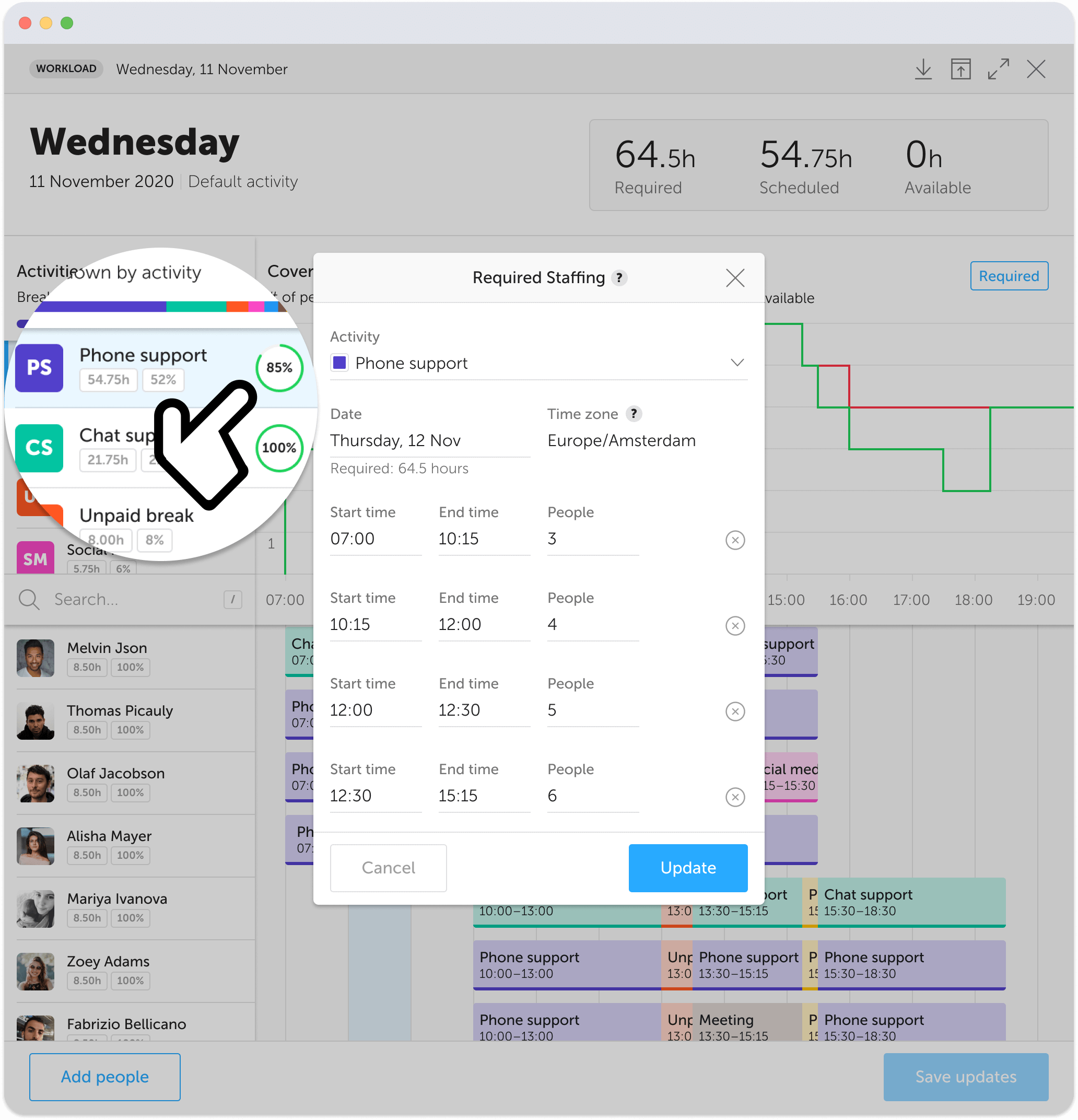
Soon gives teams one shared view of activities, capacity, coverage, and breaks.
- Keep work balanced
- Prevent coverage gaps
- Make fast adjustments without disruption
No spreadsheets. No side chats. No guesswork.
How shift scheduling software adapts when the day shifts
Soon helps teams react while service is still stable, not after queues and stress start to build.
- Adjust based on live conditions
- Shift resources to pressure points
- Keep critical windows covered
Fewer fire drills. Better rhythm.
Collaboration without micromanagement
Teams in Chicago Metro can coordinate faster when coverage decisions are transparent and shared.
- Fewer status pings and side messages
- More confidence in who covers what
- Cleaner transitions between tasks
Control stays high, overhead stays low.
Capacity visibility makes fairness practical
Fair workload is not guesswork when capacity is visible in real time.
- Who can take more right now
- Where service risk is forming
- How to rebalance with minimal disruption
Small corrections prevent bigger problems.
Stay steady through the busiest windows
Demand does not rise evenly. Soon makes pressure visible early so teams can absorb it smoothly.
- Watch pressure by time window
- Move coverage to high-demand periods
- Protect response times under load
Busy does not have to mean chaotic.
Why shift scheduling software needs live intraday visibility
Planning is necessary, but live service in Chicago Metro requires a current view of availability and coverage.
- What was planned
- What is actually happening now
- What needs to change next
Soon connects those three layers in one workflow.
Everything needed for intraday execution
Teams in Chicago Metro get the tools to run live coverage without moving into heavy workforce-management systems.
- Clear task and staffing visibility
- Fast changes when conditions shift
- Data portability and integration options
Built for focus, not overhead.
More about shift scheduling software
Shift Scheduling Software for real-time team coverage
Soon provides shift scheduling software for healthcare clinics (non-hospital) teams in Chicago Metro, IL.
Soon is an intraday scheduling tool designed for healthcare clinics (non-hospital) that need to manage coverage during the workday. Unlike shift scheduling software focused on days or weeks ahead, intraday scheduling supports live decisions as conditions change.
Teams use Soon to coordinate activities, breaks, and coverage in real time. That includes handling lunch overlap, unplanned absences, workload spikes, and service fluctuations without losing visibility.
Soon is often used alongside Microsoft Teams, Outlook, and shared calendars. Those tools help with planning and availability, while Soon adds live coverage and capacity awareness during operating hours.
For teams in Chicago Metro, IL, this supports fixed business-hour operations that require dependable front-desk, phone, or live-request coverage throughout the day.
$99/month. That's it.
Try Soon with your team.
No credit card required. Setup in under 30 minutes.
Next step options